info@helpwithnursingassignments.co.uk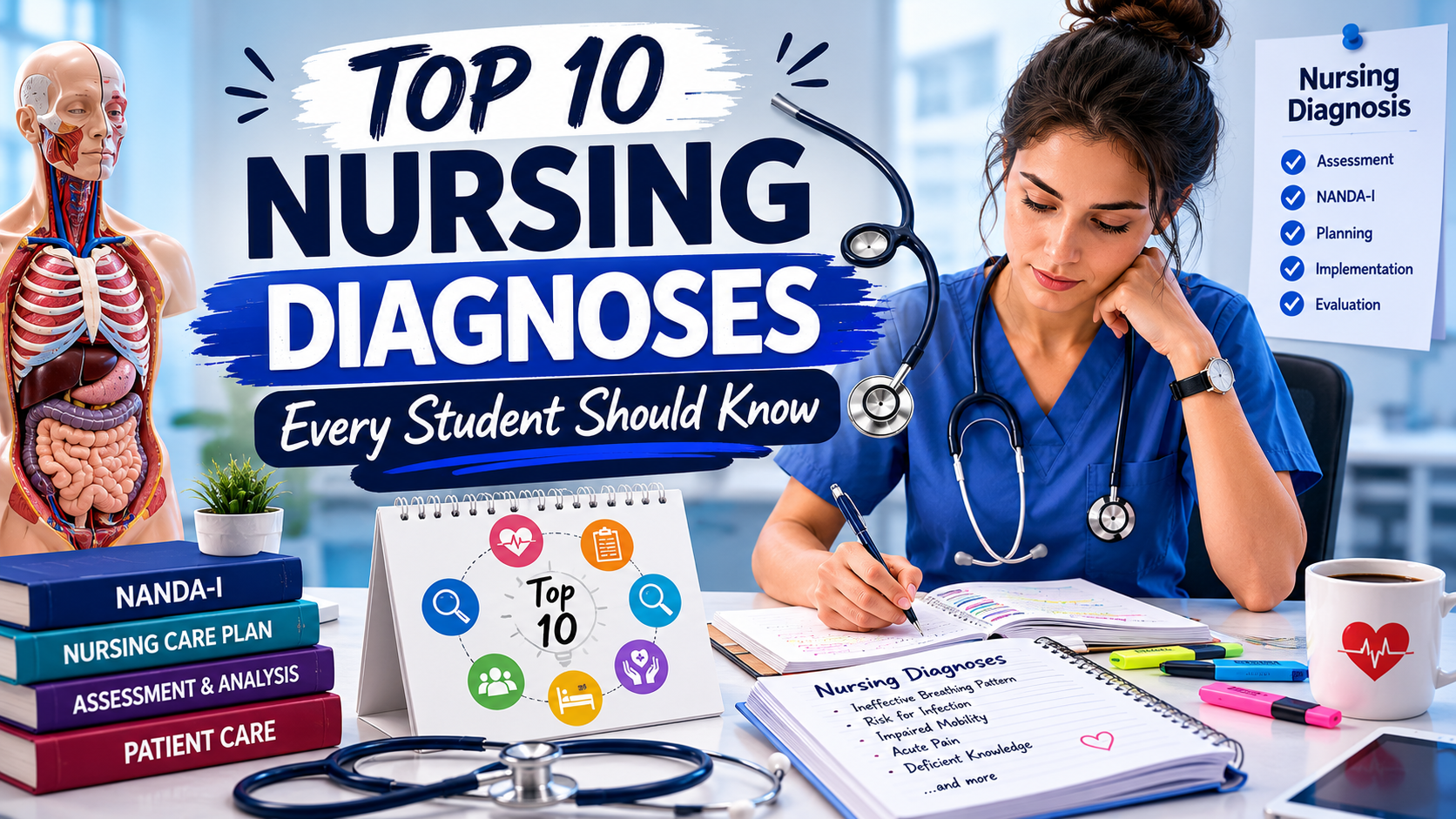
Source: https://nurseslabs.com/nursing-diagnosis/
As a nursing student, you have likely already understood the significance of nursing diagnoses in your studies and in clinical practice. They form the basis of any nursing care plan and aid you in delivering safe, effective, and patient-centered care.
However, it can be confusing in the beginning when there are so many diagnoses to study.
There is nothing to worry about; this guide will make it simple.
So, in this blog, we are going to learn about the 10 best nursing diagnoses that all students should learn about. And also easy-to-understand explanations to ensure you remember.
Hence, let us get started!
What Is a Nursing Diagnosis?
A nursing diagnosis can be defined as a clinical judgement about the response of a patient to a particular health condition.
It is concerned with the patient experience of illness and not the illness itself.
In comparison to medical diagnoses, which define diseases, nursing diagnoses inform nursing interventions and care plans.
As an example, a medical diagnosis could be pneumonia, and a nursing diagnosis could be an ineffective airway clearance.
Why Are Nursing Diagnoses Important?
Nursing diagnoses are very important in patient care. They help nurses in:
-
Determine the needs of the patients.
-
Plan appropriate interventions
-
Improve patient outcomes
-
Effective communication with the health providers
Hence, for students, learning nursing diagnoses is a crucial skill to write good assignments and excel in the clinical environment.
Top 10 Nursing Diagnoses Every Student Needs to Know
So, let us understand the most crucial learning diagnosis that can help nursing students succeed:
1. Ineffective Airway Clearance
This diagnosis is the failure of a patient to clear the respiratory tract of secretions or obstructions.
Common causes:
-
Mucus buildup
-
Weak cough reflex
-
Respiratory infections
Nursing interventions:
-
Promote breathing in and coughing.
-
Provide chest physiotherapy
-
Monitor oxygen levels
2. Impaired Gas Exchange
This occurs when there is a problem with oxygen and carbon dioxide exchange in the lungs.
Signs to watch for:
-
Shortness of breath
-
Low oxygen saturation
-
Confusion
Nursing interventions:
-
Administer oxygen therapy
-
Place the patient in a correct position (e.g. a semi-Fowler's position).
-
Monitor vital signs regularly
3. Acute Pain
Among the most frequent problems that patients have to deal with is pain. Acute pain is normally intense and associated with injury or disease.
Examples:
-
Post-surgical pain
-
Injury-related pain
Nursing interventions:
-
Measure the level of pain on scales.
-
Administer prescribed medications
-
Provide comfort measures
4. Risk for Infection
This diagnosis is applied in the situation when a patient is more prone to the development of infection.
Risk factors include:
-
Weak immune system
-
Open wounds
-
Invasive procedures
Nursing interventions:
-
Maintain proper hygiene
-
Use aseptic techniques
-
Observe infection indications.
5. Impaired Skin Integrity
It is harmful to the skin or the internal tissue.
Common causes:
-
Pressure ulcers
-
Burns
-
Cuts or wounds
Nursing interventions:
-
Reposition patients regularly
-
Have clean skin and be dry.
-
Apply appropriate dressings
6. Unbalanced Nutrition: Less Than Body Requirements
This diagnosis is applied in case a patient is not receiving adequate nutrients.
Signs:
-
Weight loss
-
Weakness
-
Poor appetite
Nursing interventions:
-
Monitor food intake
-
Provide high-calorie diets
-
Consult a dietitian (where necessary)
7. Activity Intolerance
This is experienced when a patient is not able to carry out normal activities, either because he is weak or tired.
Common in:
-
Post-surgery patients
-
Patients with chronic illnesses
Nursing interventions:
-
Encourage rest periods
-
Gradually, upsurge activity levels
-
Monitor all the vital signs of the patient
8. Anxiety
Anxiety refers to the feeling of fear or discomfort, which can be observed among hospitalised patients.
Causes:
-
Illness
-
Fear of procedures
-
Uncertainty
Nursing interventions:
-
Provide emotional support
-
Explain procedures clearly
-
Encourage relaxation techniques
9. Deficient Knowledge
This diagnosis is applied in cases where a patient does not know about his/her condition or treatment.
Examples:
-
Not understanding medication use
-
Lack of diet or lifestyle information
Nursing interventions:
-
Provide clear education
-
Use simple language
-
Have patients repeat instructions.
10. Risk for Falls
It is a highly significant diagnosis, particularly in geriatric patients.
Risk factors:
-
Weakness
-
Medications
-
Poor balance
Nursing interventions:
-
Ensure a safe environment
-
Bed rails may be used.
-
Assist with mobility
So, these were the top 10 diagnoses for nursing students that they must learn while practising. These are really crucial for them to understand and can help them in making their assignments as well.
Also, if you are experiencing any problem regarding your nursing care plan assignments, as they are not easy to make. Then you must reach out to professional Nursing care plan writing help without wasting any time. They are professionals and can help you write professional assignments.
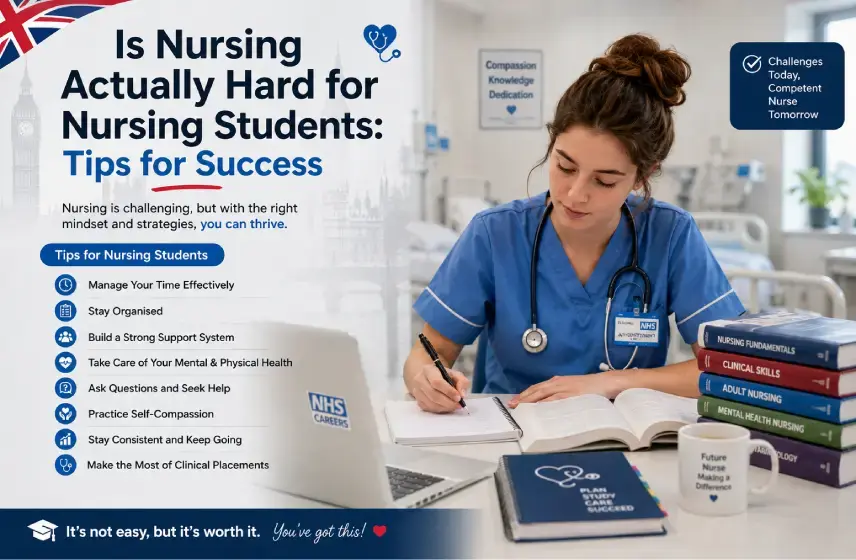
Tips for Nursing Students to Master Diagnoses
Nursing diagnoses require time to learn, but the following are some of the tips to ease the process. I hope these tips help you in making this process easier. Here, take a look:
Understand, Don’t Memorise
Rather than remembering definitions, work on knowing the concept behind each diagnosis.
Practice with Case Studies
Use your knowledge in real-life situations to enhance your level of thinking.
Use Care Plan Templates
Templates will assist you in organising your thoughts and writing superior assignments.
Revise Regularly
The repetition assists you in memorising diagnoses better.
Make sure that you follow each of these tips to make your nursing journey easier and bearable. These tips can make a big difference for you when doing the right nursing diagnoses.
So, you need to make sure that you are following these tips.
Final Words
Nursing diagnoses are a crucial component of nursing education and nursing practice. By understanding these top 10 nursing diagnoses, you’ll be better prepared to create effective care plans and provide high-quality patient care.
Keep in mind that you do not have to know everything. The following are some of the key diagnoses to start with, but you should practice them regularly and gain confidence with time. With practice, you will learn how to create nursing care plans and become an effective and knowledgeable nurse.
So, keep practicing and shine in your nursing journey with these amazing tips.